

While technology has become an essential part of our daily lives, it is crucial to use it positively. Technology has been propelling every dimension. Hence, children today should be taught to use it constructively and creatively. Digital gadgets are a great source of entertainment and information, and that is the primary reason why children light up and get inspired the moment they see a screen flashing their favorite cartoons, educational shows, or visuals.
Technology has made our lives simple, where a few clicks are all you need to fulfill your wish. Imagine that warm smile that flashes when children watch their favorite cartoon, solve a puzzle, or video-call their beloved friend. A few decades from now, this was just a dream. Technology, in most cases, goes beyond human limitations. Technology is empowered to speak your language and show things the way you want. For children, technology is a platform that understands and communicates in their language, offers fun, movement, and discovery. With so much treasure available at their fingertips, every parent wishes to maintain a kids and technology balance that is healthy, nourishing, and meaningful without harming the child mentally, emotionally, and physically.
If you have experienced a connection with what we discussed till this point, then this blog will help you understand the significance of positive screen time for kids. This blog will also help you use tech mindfully, and also as a tool for learning, joy, and emotional development. If used properly, technology can enable your toddler to think out of the box and develop a mindset that would elevate his personality to the next level.
As smart and responsible parents, adopt a thoughtful approach. This innovative approach will turn everyday tech into a powerful aid, helping your child take confident steps into the future.
Keep your fingers crossed while we walk through simple ways to use tech for kids’ happiness.
Digital screens have the capacity to capture your complete attention. Screens can also influence your thought process, behavior, and mindset. Hence, it is more than essential to understand how much screen time is healthy. Even nectar in limits is great; consuming it beyond limits may change it into poison. Similarly, an excess of screen time can confuse and overwhelm your child.
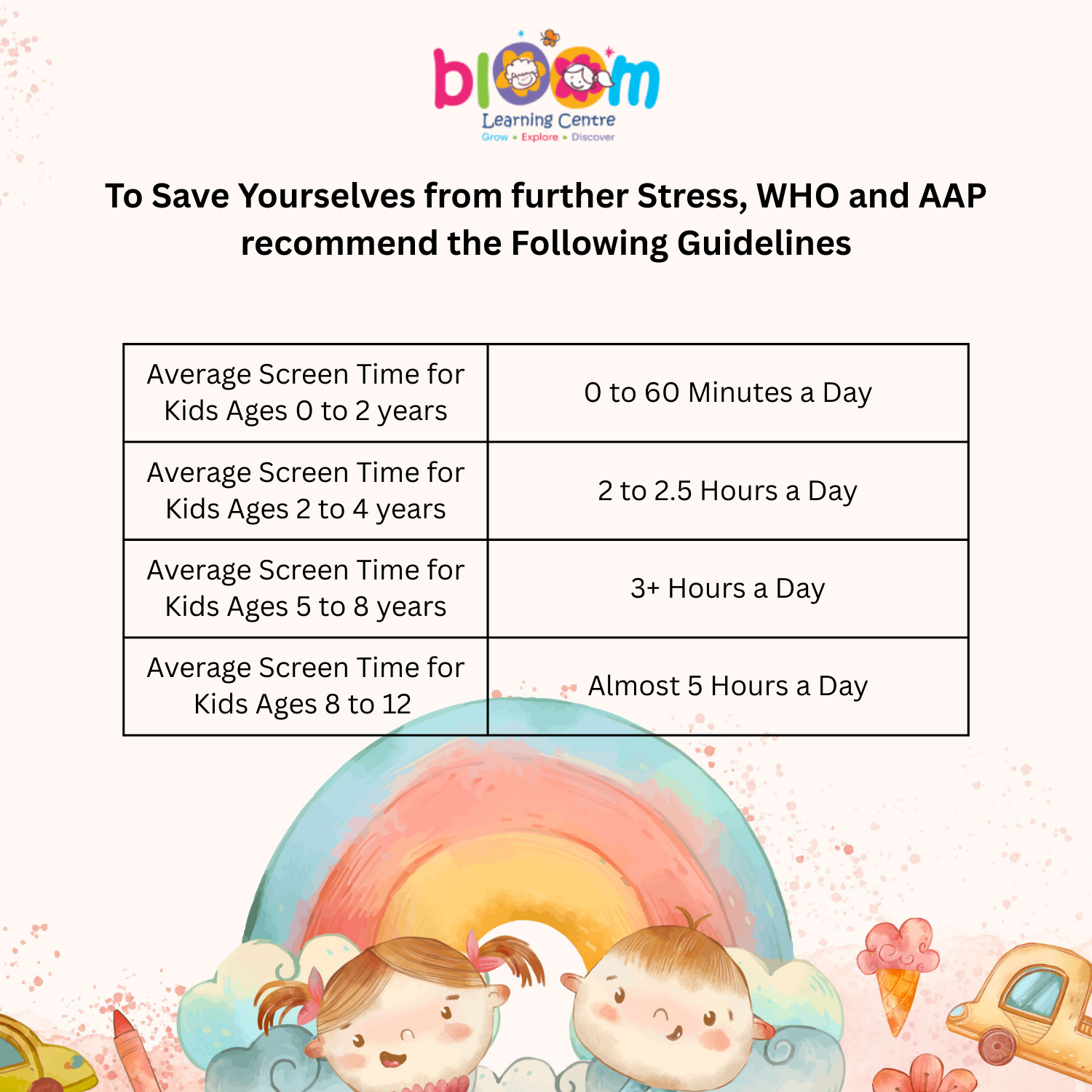
Always follow the recommended guidelines and ensure that your child watches high-quality content only.
It is impossible to keep your child away from technology. Hence, switching to a balanced viewing approach will help them with emotional and cognitive development. Remember that too much exposure to screens can negatively impact your child’s sleep, mood, and attention. Children might become lazy and lethargic because of insufficient rest. Parents can keep an eye on toddler screen time limits to set routines that keep the child’s mind fresh, active, agile, and vigilant.
Your kid is in their early stages of life. Hence, strict bans might not be the right choice. Be liberal enough to follow healthy screen habits and use age-appropriate boundaries to determine the right screen time for your child. A balance of study, physical activities, games, and digital screens will help your child stay calm, alert, and consistent while communicating.
Rules, regulations, and guidelines are never meant to frighten the child. They actually are there to help them stay disciplined, give them the right direction, and equip them with the understanding to perform their task efficiently.
As smart parents, it is in the child’s interest to set clear boundaries for tech use. These boundaries will smooth their tech experience in daily life. Follow the recommended average screen time based on your child’s age. You may begin by setting a 1-hour cap for toddlers and increasing the time as they mature.
When your kid is awake, it is essential to designate tech-free time periods. These periods should be mealtime, bedtime, and during outdoor play. Keep all the gadgets away when the family members are at the dining table. When the child is enjoying the screen company, make sure he doesn’t play games that show violence, hatred, or any criminal activity. Such incidents will negatively impact the child’s tender mind.
Tech rules for kids are meant to be consistent. The screen time boundaries shape their personalities, build a positive and innovative mindset, and teach discipline. Parents, caregivers, and schools play a big role, too. Children learn from what they see. Hence, your own habits influence your child’s behavior. You must essentially model mindfulness and use your phone with prudence. Keeping it aside during family time will help the child understand the significance of tech-free time zones at home.
It is mandatory to inculcate these habits early on as they bring digital discipline in toddlers and inspire a healthy tech routine for children, leaving no space for stress and resistance.
Children are innocent at heart and carefree by nature. They enjoy anything that sparks joy, offers fun, and makes them feel happy. Children are naturally attracted to content that lets them explore new horizons, gives power to their imagination, and opens a new world of creativity.
To help children utilize their screen time optimally, parents should look beyond passive videos and choose preferred apps for children. Make sure these apps enhance their drawing skills, offer them puzzles, strengthen their problem-solving capabilities, and deliver content that sounds like stories.
With micro and macro enhancements, technology these days has earned a strong creative edge that nurtures joy and learning in children of any age. You can ask friends and relatives to share their opinions about the best learning apps for toddlers. Do your own research on search engines to discover apps that offer interactive stories, share useful knowledge in simple and lucid language, and storytelling apps for children. These stories, games, and apps are beneficial only if they satisfy your child’s ever-growing curiosity and positively influence their thought process.
Moving with the trends, parents can add music, dance prompts, and movement-based challenges to engage with children while adding some extra fun to their daily lives.
Remember to select educational apps for kids and child-friendly creative apps that teach children to express themselves. Such apps have been found instrumental in building foundational skills while offering elements of joy at every stage.
Now that we have understood that technology can be used to enhance the overall growth and development of children, it's time to know what educators have to say. Educators often favor apps that promote genuine development, not merely entertainment.
Popular tech tools and their relevant skill categories are as follows:
Language: Khan Academy Kids, PBS Kids
Imagination: Toca Boca, Sago Mini
Motor skills: Peekaboo Barn
Emotional learning: Calm Kids, Moshi
These educator-recommended apps enhance early abilities through structured play. These tech tools are meaningful, safe, and aligned with the child development process. When used under proper guidance, they become the best apps for preschool learning, helping your toddler to progress in the right direction.
Technology is great for children, but it shouldn’t make them drift away from their parents. Hence, it is crucial to choose the right tech tools that don’t require parents to separate themselves from their kids. Actually, technology should have a vital role in bringing them closer.
Parents should consider strategies like co-viewing and co-playing to help children learn better and feel supported. These combined efforts motivate children to explore new topics, ask curious questions, and laugh at silly animations. All these activities can build a robust foundation for the child’s mental and emotional development.
Google, MS OneDrive, and many other cloud-based storage apps offer the option of shared memories for your family. You can easily store your photos, videos, and creative journals. These moments provide a strong sense of parent-child bonding with technology.
When these apps are used with the right intention, tech becomes an enjoyable and educational way to celebrate life through shared digital activities. Family nights become warmer and more connected with the co-viewing benefits.
You should thank technology for strengthening communication within the family while keeping digital experiences safe, supportive, innovative, and thoughtful. Proper and balanced use of technology is a boon for the whole family.
Anything applied in a balanced form delivers better and measurable results than its extremes. Our goal is to provide the child with a balance of technology and other activities; you don’t need to eliminate technology from their life.
Tech should not be the primary source of knowledge, entertainment, or daily activities, but it can complement the child’s daily routine. Life has more to offer beyond technology. You can install kids’ yoga apps, music apps, intelligent puzzle and gaming apps, or design and craft apps in the child’s tablet or iPad. You can inspire physical movement and foster imagination as your child matures.
Technology might look beautiful, but its overuse might compromise the child’s vision and limit his physical activity. Hence, concerned parents must encourage the child to explore offline creative play instead of digital content only. Take time to observe what your kid is good at.
Drawing simple characters, using block games for building structures, dancing happily alongside his favorite music, or acting out a funny character from his nighttime stories can add more flavors of joy than technology alone can. When digital content and offline activities complement each other, creating a versatile mix of offline activities for toddlers, outdoor games, limited time for tech tools, and screen-free family times can be a great idea to support a tech-life balance for kids.
Make sure that the child takes frequent breaks when using screens. The purpose here is to protect their eyes, mental health, and moods, and initiate some physical movement during their screen time. Staying glued to the screen takes your child into the imaginary world, while screen-free play ideas keep them grounded in the real-world reality and experiences. It is these real-life experiences and knowledge that would be of great help as they grow.
Remember: A healthy tech balance is simple and best. Tech is only a tool, not the child’s lifestyle.
With today’s busy and ever-demanding professional life, it is difficult to gauge if your kid is making a productive and healthy use of technology.
But you can refer to the following healthy signs that help you determine if your child is on the right and safe path:
If you see the above signs regularly, you shouldn’t worry, as they reflect healthy tech habits in kids. When your child uses digital devices with curiosity and balances it with other offline activities without getting annoyed, it shows positive tech use in toddlers.
If you observe signs of balanced screen time in your child, consider yourself fortunate because such decent tech use will not only elevate the child’s learning appetite but will never replace actual relationships, responsibilities, and recreation with the imaginary world of technology.
Related Blog: Balancing Screen Time: Mitigating Smartphone Risks For Kids
Anything that looks beautiful, helpful, and engaging can have a downside, and the same applies to technology and all its tools. Before you conclude whether your child is misusing technology or is treading on the incorrect path, it is essential to watch out for the red flags.
Some of the Red Flags you must watch out for:
If you begin to see one or more of these symptoms, it is time to consider restructuring his schedule. Don’t wait for the day when your child begins to demand more stimulation, attention, or loses interest in his regular offline activities. When parents start feeling that the child is deviating from their goals, it is advisable to reset their routines.
These red flags indicate tech addiction signs in kids, screen time red flags, or too much screen time symptoms. Parents must address these issues at their earliest to prevent emotional strain or the development of unhealthy tech habits in children.
Safety and privacy in terms of content are highly essential in this digital world. You never know which webpage your child will access. Because a potential danger exists, switch to parental controls to block unsafe links, restrict purchases, and filter content to display only the genuine and child-friendly ones.
Teaching early lessons about online behavior and its associated risks to your child can form the basics of online safety for toddlers, kids' internet safety tips, and safe browsing for children.
These parental control tools will help you create a secure digital environment for your child while ensuring their optimum safety.
Despite the ever-growing benefits of technology for children and the hype created around it, experts recommend its mindful usage by children. Your child may be exposed to situations that may irritate them, leading to anger meltdowns, intense crying, screaming, lashing out, and shutting down.
As part of tech tool awareness, mindfulness apps can calm young minds. These apps teach them various breathing exercises, narrate gentle stories, and relax their disturbed minds with soothing sounds. Gamified tasks incentivize effort and promote positive behavior.
Video call is a great tech tool to establish and maintain emotional connections between the child and the family members. A mindful approach towards using tech for child wellbeing can deliver enormous support to the child’s moral and psychological development. Balanced use of technology is the best platform for soothing, guiding, and reassuring our future generation.
Bloom incorporates meaningful technology experiences into early childhood learning through guided storytelling, sensory tech tools, and age-appropriate smart play. The emphasis is on balance—screens, nature, creativity, and movement.
Bloom’s educators follow a development-aligned approach that encourages curiosity, joy, and structured exploration.
Bloom supports tech-based early learning in Cayman, works closely with families, and promotes a balanced tech approach for kids in a warm, connected environment.
At Bloom, we help parents and children use technology with joy, purpose, and balance.
Technology can genuinely make children happy when used thoughtfully. The key is balance, involvement, and mindful content. With the right approach, parents can combine healthy tech use for kids with outdoor play, learning, and emotional support.
Tech works best when it deepens real-world joy, not replaces it. Aim for mindful screen time and encourage your child to explore both digital and physical worlds with confidence.
WHO suggests up to one hour of high-quality screen time for ages two to five. Avoid screens for children under two except for video calls. Keep breaks frequent and content meaningful.
Khan Academy Kids, PBS Kids, Sago Mini, and ABC Kids are trusted, educator-approved apps offering safe, age-appropriate learning and creative activities for early learners.
Set predictable routines, introduce screen-free zones, and reduce viewing gradually. Offer engaging offline alternatives to help your child transition without emotional overwhelm.
Follow the 1:3 approach. For every hour of screen time, add three hours of offline play. Mix movement, creativity, outdoor time, and family interaction for a healthy routine.
Interactive, creative, and movement-based content sparks true joy. Apps that include drawing, music, puzzles, and storytelling make children feel engaged, active, and emotionally satisfied.